2.1 Research on hunger
2.1.1 Zero Hunger: CiteScore
In 2025, three articles on the topic of No Poverty were published in the Scopus database.
scopus-bukhara-state-medical-institute
2.1.2 Zero hunger: FWCI
1.Hamidova Feruza Karimovna. (2025). MAKTAB YOSHDAGI
BOLALARDA RATSIONAL OVQATLANISH VA TEMIRGA BOY
MAHSULOTLARNI ISTEʼMOL QILISHNING AHAMIYATI.
Multidisciplinary Journal of Science and Technology, 5(6), 709–710.
https://doi.org/10.5281/zenodo.15642649
https://mjstjournal.com/index.php/mjst/article/view/3995
2. Мухамедова Ш. Т., Шодиева М. Б., Олимова О. О. ОСТОЯНИЕ
ЛИПИДНОГО ОБМЕНА У МАТЕРЕЙ НОВОРОЖДЕННЫХ С
ДИСМЕТАБОЛИЧЕСКИМИ НЕФРОПАТИЯМИ. Journal of Healthcare and
Life-Science Research Vol. 4, No. 2, 2025 ISSN: 2181-4368.
3. Yuldasheva Gulnoz Giozovna. КЛИНИЧЕСКИЕ ПРОЯВЛЕНИЯ
ЭОЗИНОФИЛЬНЫХ ГАСТРОИНТЕСТИНАЛЬНЫХ ЗАБОЛЕВАНИЙ У
ДЕТЕЙ. //Tibbiyotda yangi kun -ISSN 2181-712X. EISSN 2181-2187 28 -4
(78) 2025. https://newdayworldmedicine.com/en/article/5585
2.1.3 Zero hunger: publications
From 2020 to 2025, more than 1,000 articles have been published.
https://scholar.google.com/scholar?q=Bukhara+state+medical+institute+hunger&hl=ru&as_sdt=0%2C5&as_ylo=2020&as_yhi=2025
2.2 Campus food waste
2.2.1 Campus food waste tracking
Since 2025, a system for measuring and analyzing food waste has been implemented in the main canteen of Bukhara State Medical Institute. The amount of leftover food (in kilograms) is recorded daily in a special logbook. This data is used for planning waste reduction measures. A contract has been signed with JSC Uzmetkombinat for waste removal services.
Contract clause 12-2 Waste
Clause 12-2
Monthly Food Waste Log (2024)
2.2.2 Indicator: Campus food waste
2.3 Student hunger
2.3.1 Student food insecurity and hunger
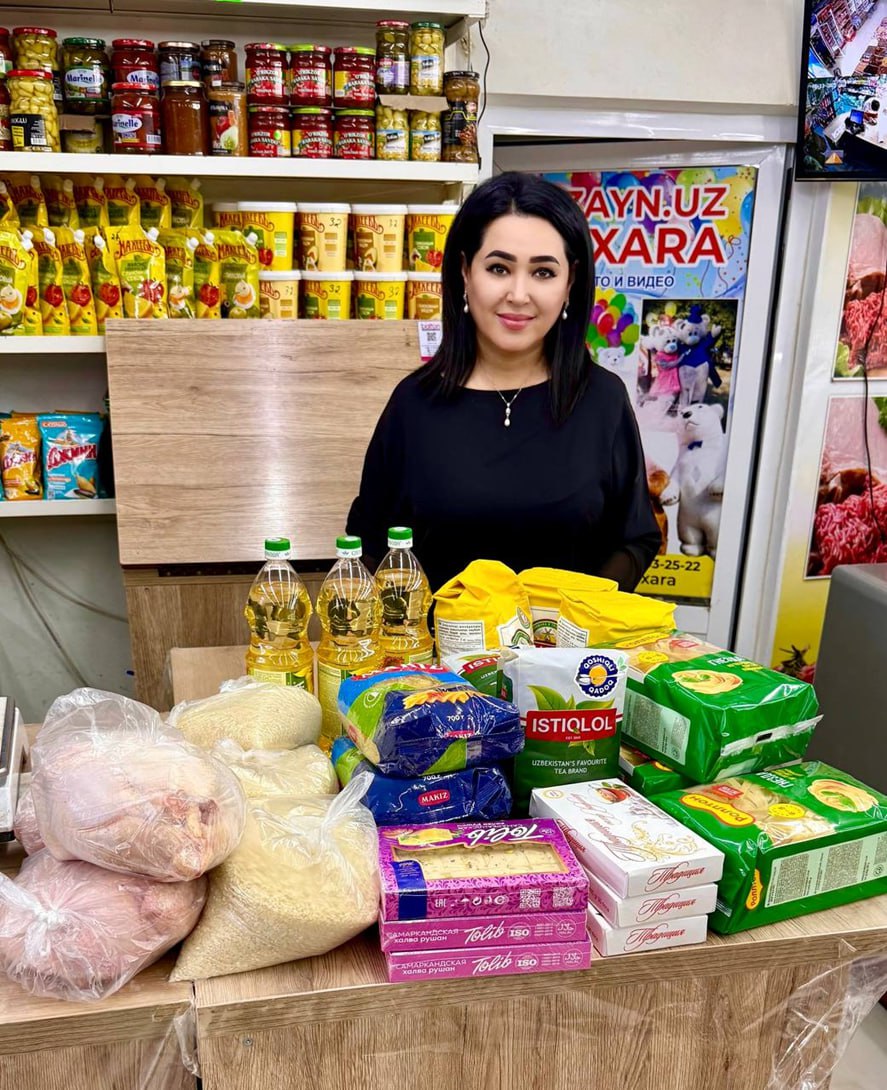
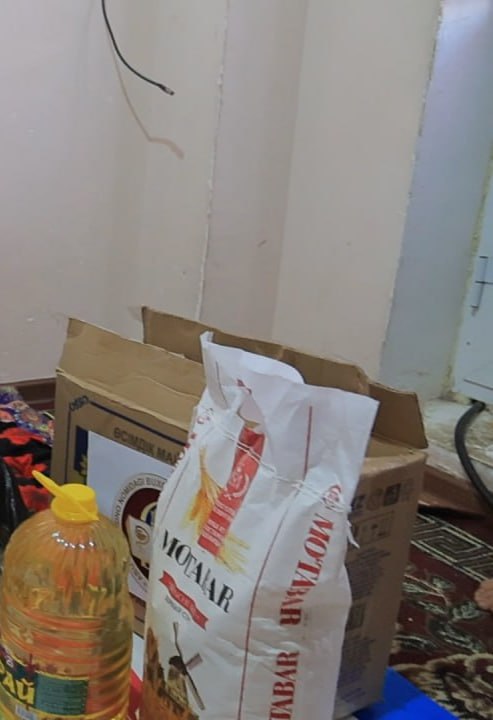
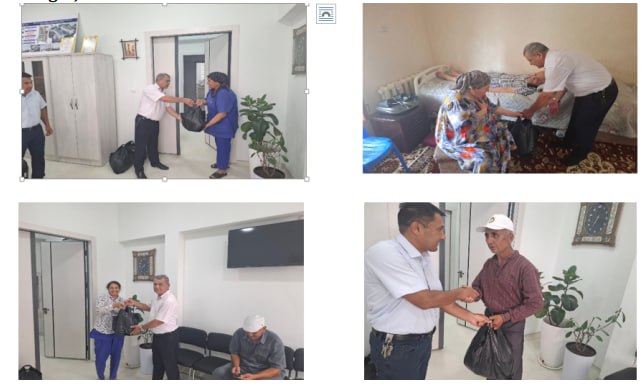
At Bukhara State Medical Institute, low-income students receive material and moral support every week. They are provided with food and clothing. Based on the social status of students:
Number of low-income students – 196
Number of students on the “Iron Notebook” list – 6
Number of students on the “Youth Notebook” list – 31
Number of students on the “Women’s Notebook” list – 14
Students who have lost their breadwinner – 189
True orphans (under guardianship or sponsorship) – 11
Students from orphanages (social orphans) – 8
Number of students with disabilities – 88
2.3.2 Students hunger interventions.
Free lunch programs are organized for BSMI students.
https://bsmi.uz/en/bukhsmi-press-service/a-picnic-was-organized-for-students-of-the-nursing-program-as-part-of-the-relevant-90-days-project-in-order-to-make-their-summer-vacation-meaningful-and-productive/
2.3.3 Sustainable food choices on campus
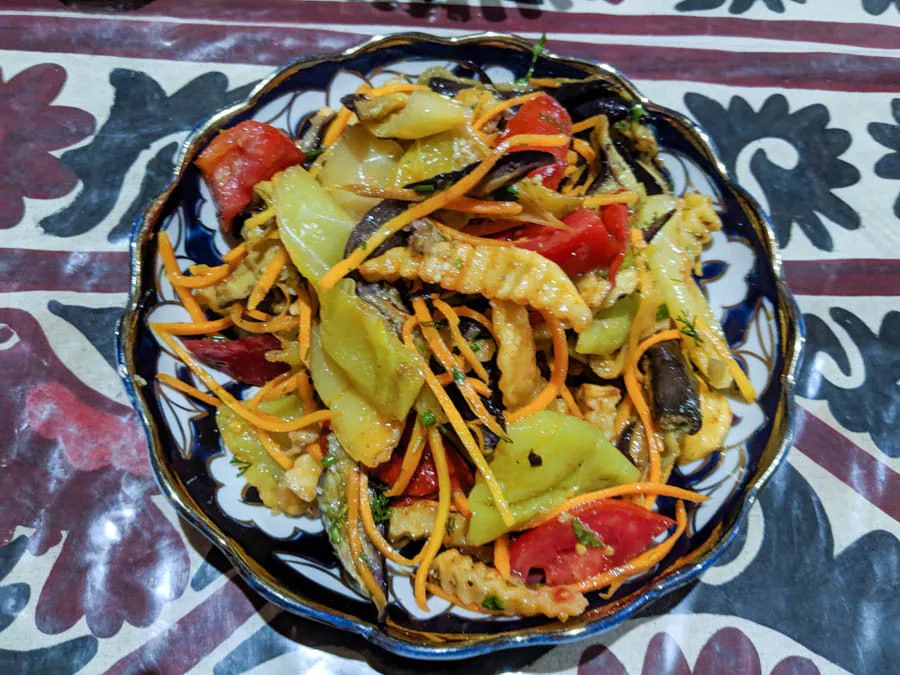

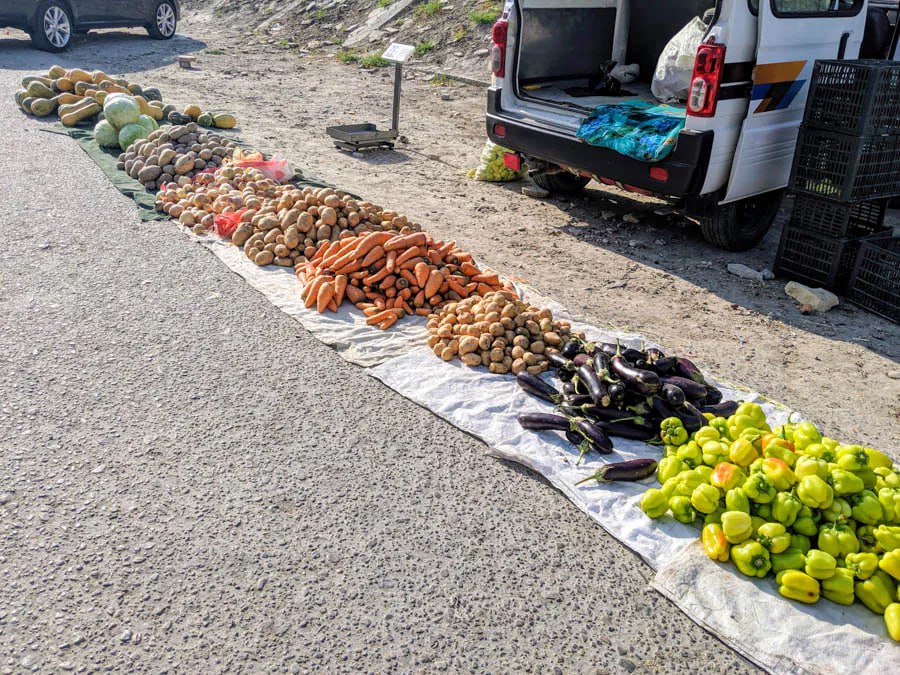
Vegetarian meals are prepared at Bukhara State Medical Institute to cater to the diverse dietary needs and preferences of students and staff. The menu includes a variety of nutritious plant-based dishes made from fresh, locally sourced ingredients. These meals are designed to provide balanced nutrition while supporting healthy eating habits and promoting environmental sustainability. The initiative also ensures that vegetarian students can enjoy safe, high-quality meals without compromising their dietary principles.
https://bsmi.uz/en/bukhsmi-press-service/students-of-the-nursing-and-pharmacy-programs-prepared-somsa-during-their-free-time-after-classes-in-the-cooking-club/
2.3.4 Healthy and affordable food choices
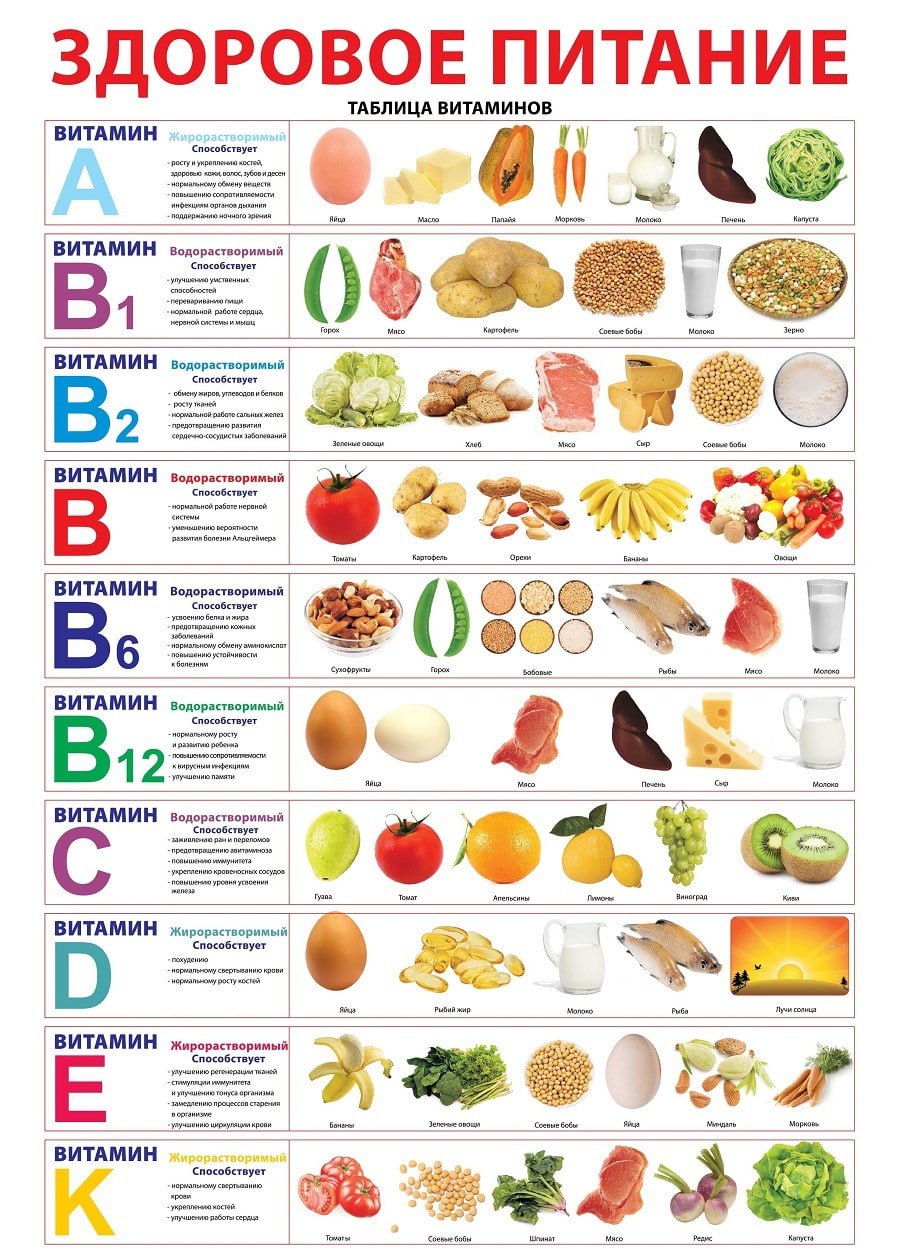
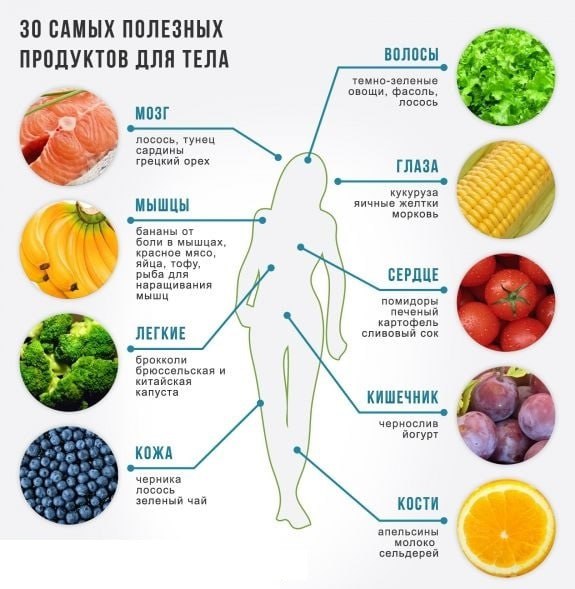
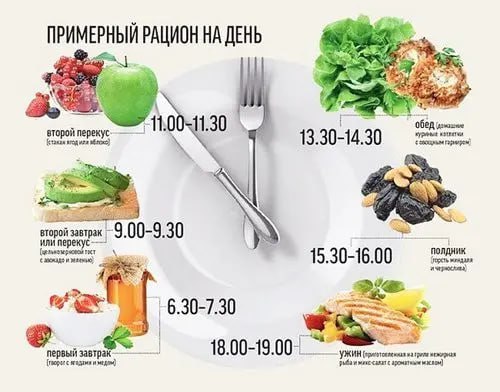
Healthy nutrition allows the body to obtain all the necessary vitamins and micronutrients from food to maintain vital functions. The proper ratio of proteins, fats, and carbohydrates helps control weight and strengthen health.
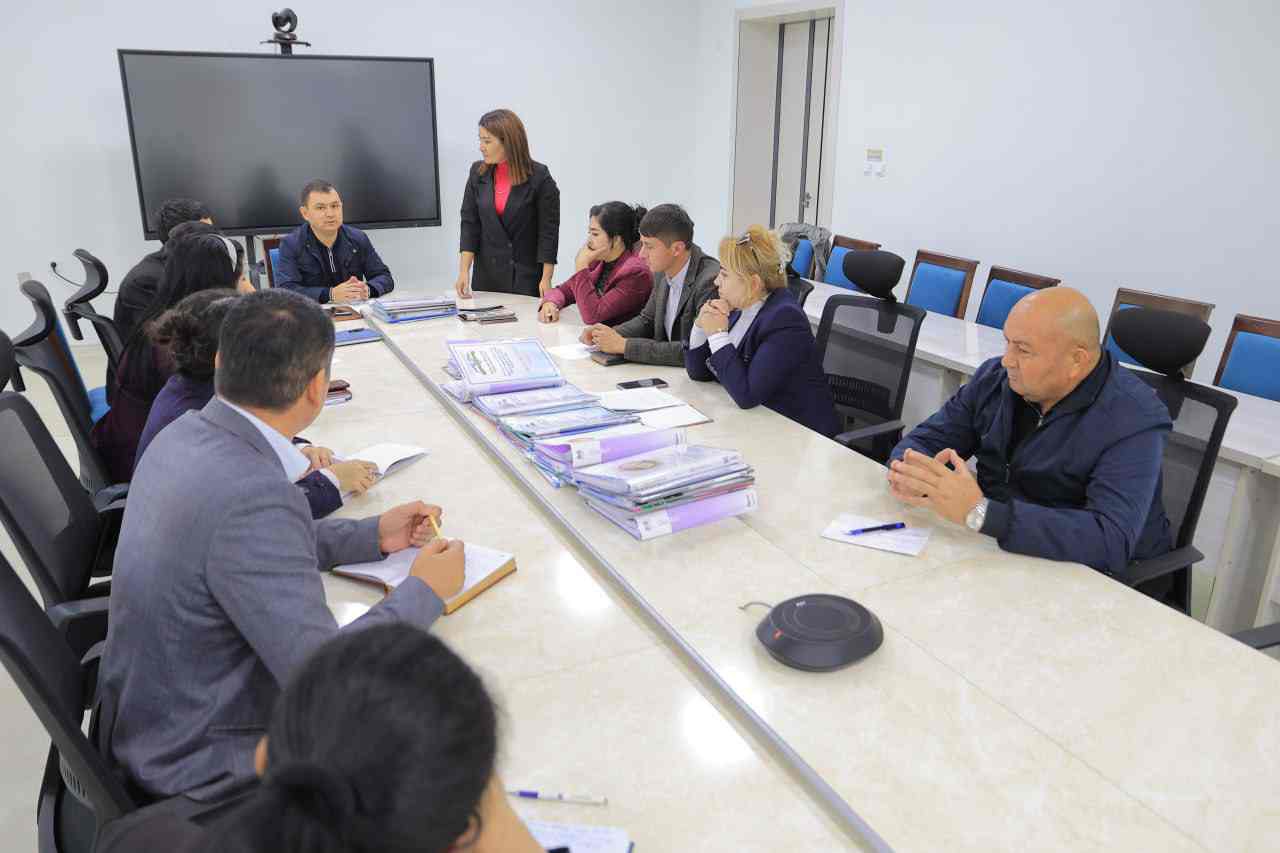
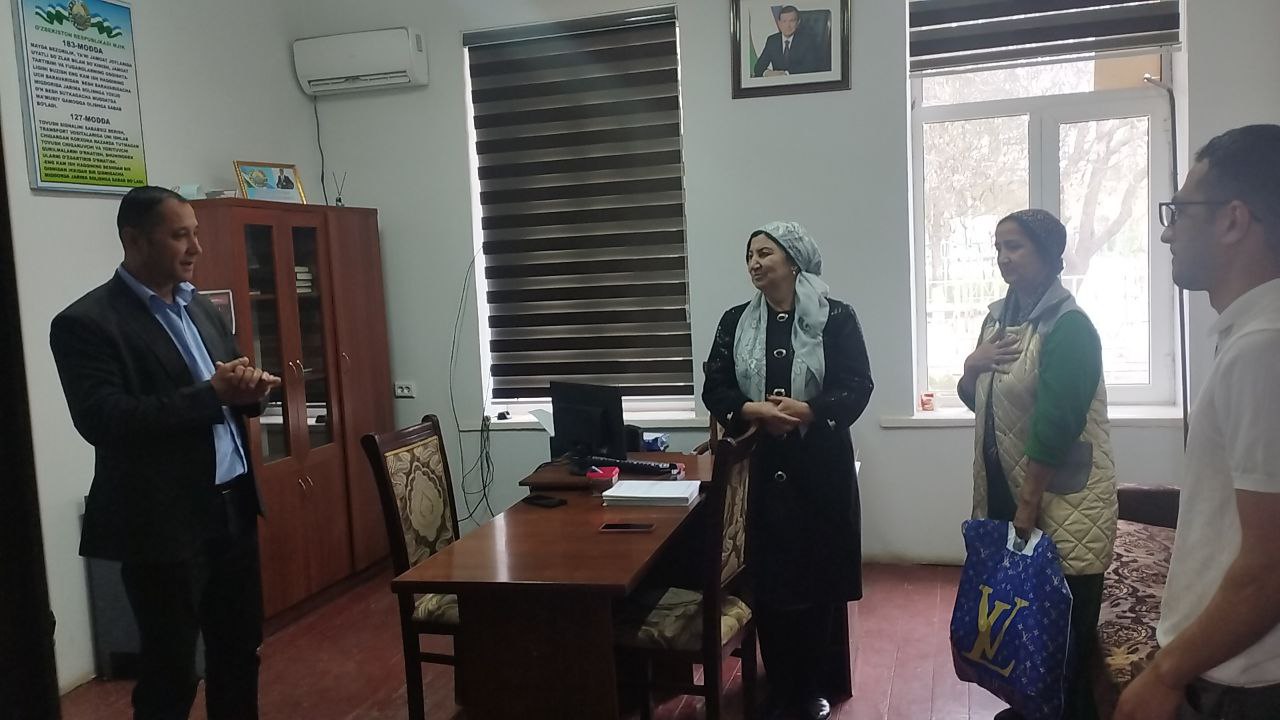
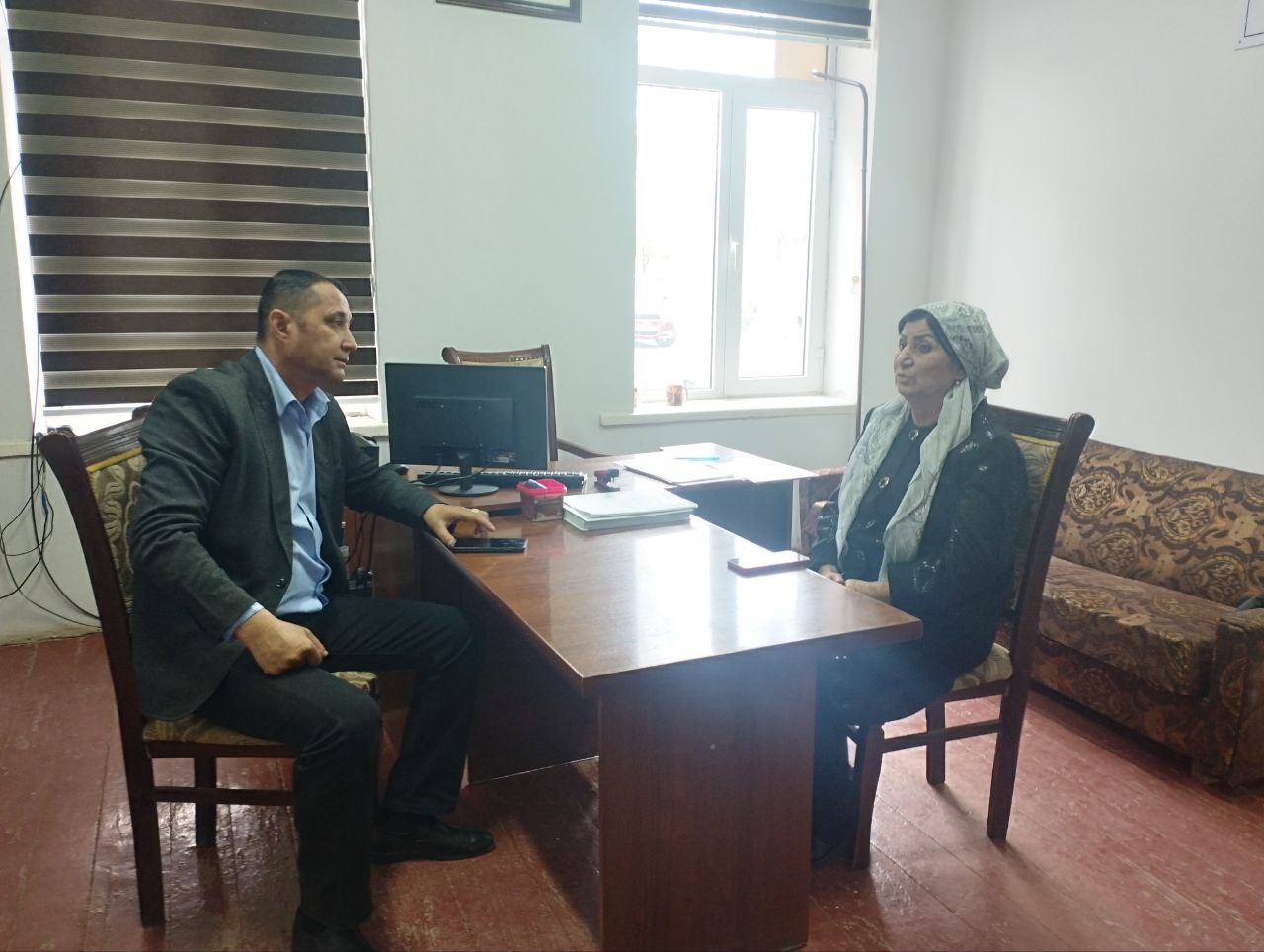
2.3.5 Staff hunger interventions
2.5 National hunger
2.5.1 Access to food security knowledge
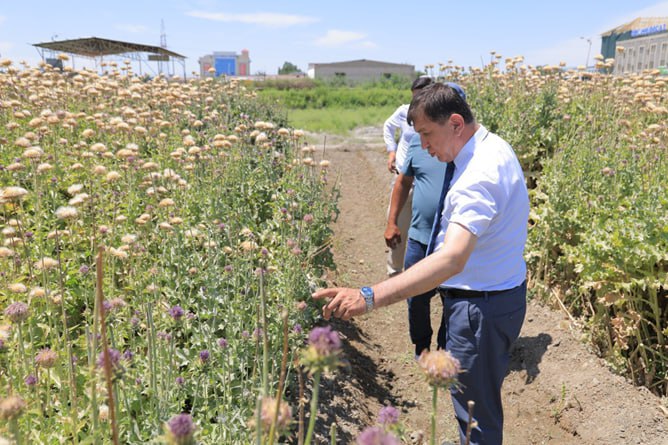
Scientific and Technical Support on Soil Analysis and Fertilisation for Farmers by Bukhara State Medical Institute
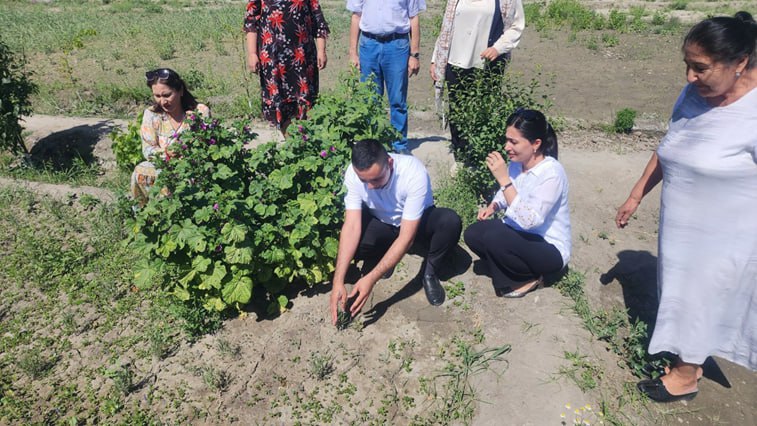
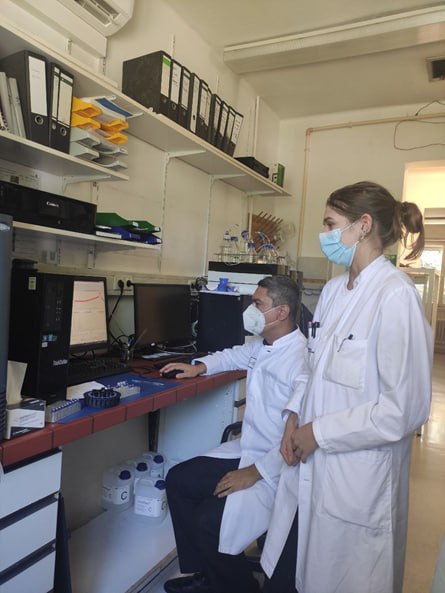
In 2024, the professors of the Departments of Biology and Chemistry at the Abu Ali ibn Sino Bukhara State Medical Institute conducted free scientific and practical activities in cooperation with local farming communities to assess soil quality.
The specialists examined soil samples in the laboratory and carried out analyses of their key chemical elements, fertility level, and microbiological condition. Based on the results, farmers received practical recommendations on:
optimal fertilisation systems,
methods to increase crop productivity,
restoring the chemical balance of the soil,
sustainable and eco-friendly farming practices.
This activity provided substantial support to local farmers in promoting sustainable agriculture, ensuring food security, and increasing overall productivity.
2.5.2 Events for local farmers and food producers
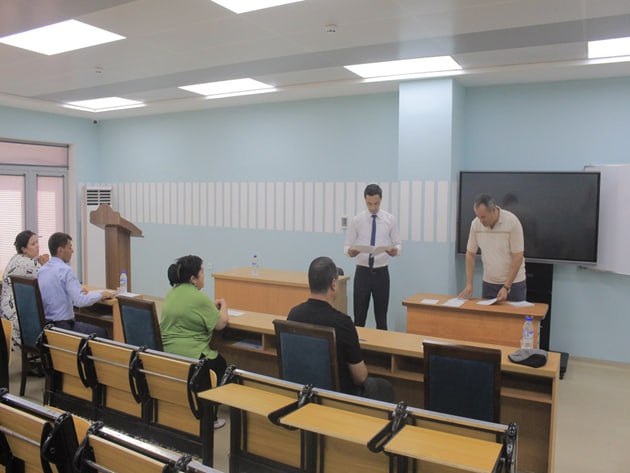
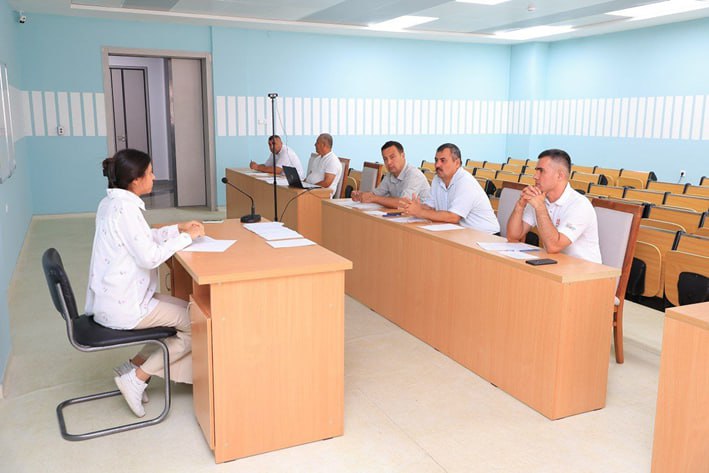
A Scientific-Practical Seminar for Farmers Held at Bukhara State Medical Institute
In 2024, the Departments of Biology and Chemistry at the Abu Ali ibn Sino Bukhara State Medical Institute organised a free scientific-practical seminar for local farmers and food producers. The aim of the event was to provide farmers with up-to-date knowledge on soil analysis, fertilisation technologies, and sustainable agriculture.
During the seminar, specialists conducted laboratory tests on soil samples and provided practical recommendations on increasing crop productivity, restoring the chemical balance of the soil, and applying eco-friendly farming methods.
This event contributed to effective knowledge exchange and strengthened cooperation between local farmers and the institute’s researchers.
2.5.3 University access to local farmers and food producers
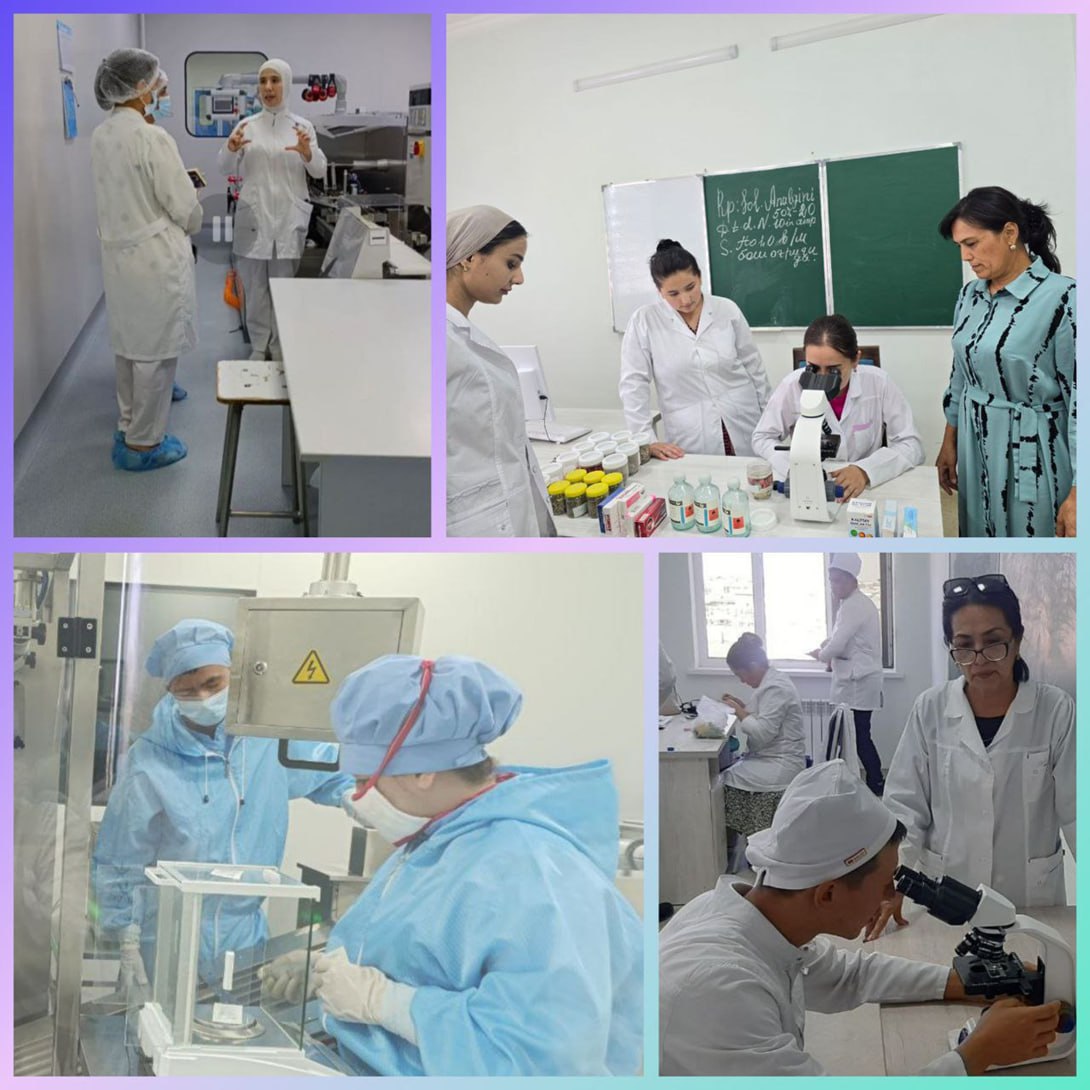
Access to Laboratory Facilities Provided for Farmers
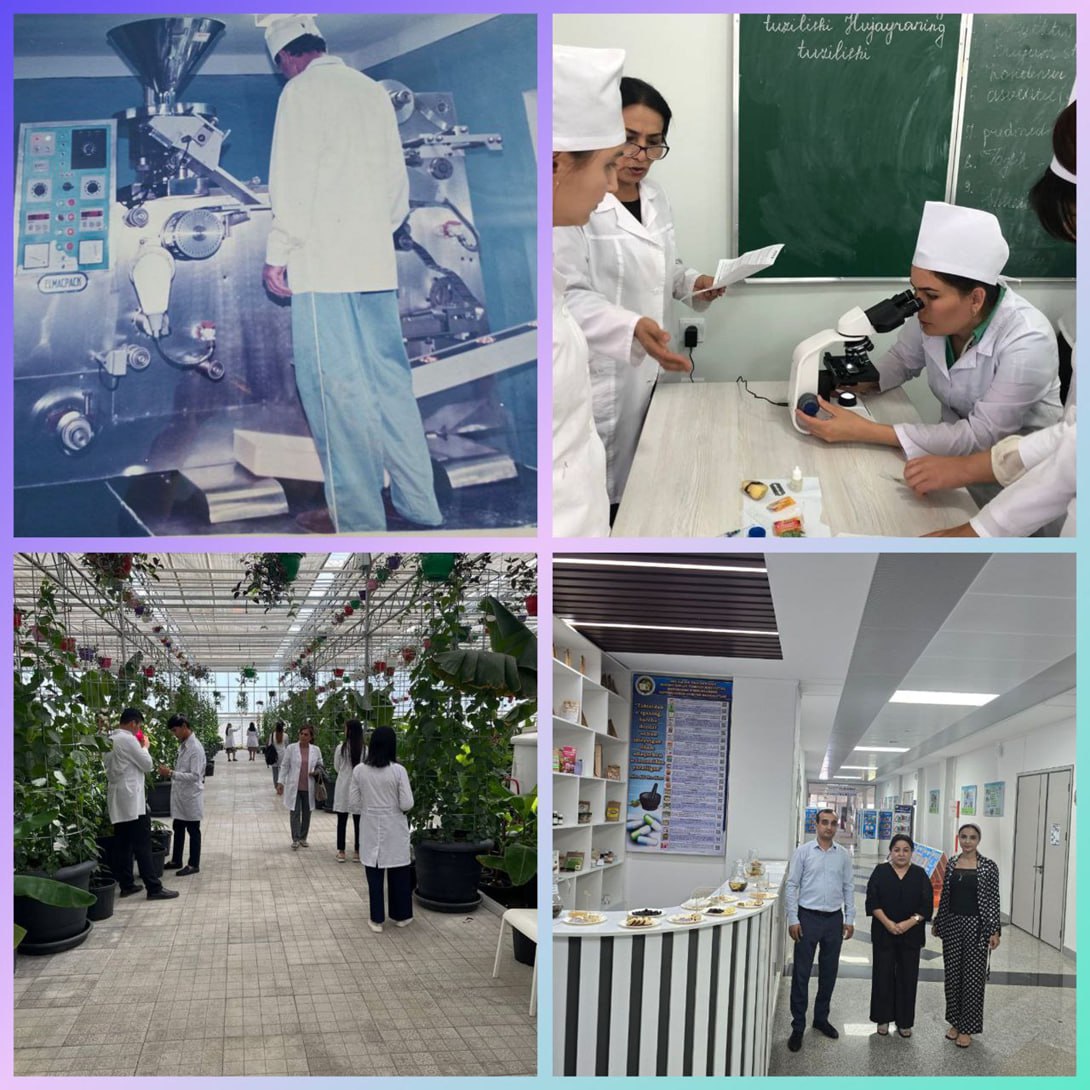
In 2024, the Departments of Biology and Chemistry at the Abu Ali ibn Sino Bukhara State Medical Institute provided local farmers with free access to the institute’s modern laboratories. Farmers were able to bring soil samples, water samples, and fertiliser materials to the laboratory for analysis.
Specialists conducted laboratory tests to examine the chemical composition of the soil, fertility indicators, microbiological conditions, and factors affecting plant health. This process helped farmers improve crop productivity, choose optimal fertilisation methods, and implement sustainable farming practices.
This initiative created open access for local farmers to scientific and technical resources and contributed to the development of sustainable agricultural practices.
2.5.4 Sustainable food purchases
Prioritisation of Purchasing Local and Sustainable Food Products
In 2024, the Abu Ali ibn Sino Bukhara State Medical Institute prioritised the procurement of food products from local and sustainable sources for student dining facilities. Most of the vegetables, fruits, dairy products, and meat used in the cafeteria and buffets were purchased from local farms in the Bukhara region.
This approach helped support local producers, reduce transportation costs, minimise the environmental footprint, and provide students with fresh and high-quality food products.
This practice strengthened the university’s initiatives aimed at promoting sustainable agriculture and ensuring food security.