11.1 Research on sustainable cities and communities
11.1.1 Sustainable Cities and Communities: CiteScore
11.1.2 Sustainable Cities and Communities: FWCI
11.1.3 Sustainable Cities and Communities: publications
11.2 Support of arts and heritage
11.2.1 Public access to buildings
11.2.2 Public access to libraries
At the Information Resource Center of Bukhara State Medical Institute, a QR code-based virtual electronic library called “Smart Book Challenge” has been created, and public access is available through this site.
The university library provides broad opportunities for public access to books and publications. In the Reading Hall of the Information Resource Center (IRC), two UneBook devices have been installed. These devices allow students to log in to their personal account using their ID card, select the required book, specify the borrowing and return period, and use the literature conveniently. In addition, 40 iFat tablets from India have been supplied, each containing anatomy textbooks. The tablets are connected to the Smart Book AR and DemoMed2 applications, which provide access to textbooks in 3D format. Both applications are licensed and allow downloading of up to 10,000 resources. The IRBIS software has been implemented in the library. In the electronic reading hall, 40 computers are connected to the local internet network (MINvuz-2, TAS-IX 1000 MB/sec, Mir. 300 MB/sec). A Wi-Fi zone is also available.
Accessibility – available.
Automatic and free public access is provided through three hosted websites on Arsenal D hosting network and via a Telegram channel. A total of 17,500 QR-coded resources have been uploaded.
Websites: irc.bsmi.uz, book.bsmi.uz, BuxDTI Kitob (Telegram), Library.ru.
Access is available without any application form. The “Electronic Library,” “Virtual Library,” and “Automated Library” systems are in place. Students also have continuous access via their ID cards to personal accounts for using library resources and websites.
Evidence provided: The “Smart Book Challenge” resources are disseminated through more than 100 info-stands located at the Regional Prosecutor’s Office, Kogon Railway Station, City Emergency Hospital, G‘ijduvon, Peshko‘, Kogon and Qorako‘l schools and colleges, Bukhara Airport, Afshona Ibn Sino Museum, Tashkent Zarqorgon Mahalla, and Tashkent South Railway Station.
For example: library regulations and website information are open to the public, the user guide is available, and user statistics are published: 27,469 visits, 34,415 book checkouts, 1,048 faculty members, and more than 600 staff users.
All evidence is publicly available 24/7.
These materials are accessible through the Institute’s official website and social media channels:
BSMI Official Telegram
BSMI.UZ | Official channel
ALMA-MATER Telegram group
11.2.3 Public access to museums
Information on the activities carried out by the Institute to ensure access to cultural and educational sites for students and the public
Bukhara State Medical Institute regularly implements the following activities aimed at familiarizing students, faculty, and the wider community with the national history, culture, and artistic heritage, thereby broadening their aesthetic and historical worldview:
🏛 Visits to the Ibn Sina Museum
On the initiative of the Institute, study tours were organized throughout the year for different faculties to the Abu Ali ibn Sina Memorial Museum located in the village of Afshona, Peshku District.
During these visits, students not only learned about the life and scientific heritage of the great scholar Ibn Sina, but also had the opportunity to directly view unique artifacts related to the history of medicine, ancient manuscripts, and his personal belongings.
The visits were open and free of charge, and conducted as part of cultural-educational hours as well as history and science months.
🖼 Exhibitions and art galleries
Students were also taken to cultural centers, historical exhibitions, and art galleries operating in the city of Bukhara. Through these visits, students gained practical knowledge about folk applied arts, miniatures, architecture, and cultural heritage monuments.
🎟 Openness to the public
These visits also included participation of local community members, neighborhood representatives, schoolteachers, and pupils, thus demonstrating the university’s social and cultural openness.
All visits, exhibitions, and gallery activities were widely covered through official announcements, the Institute’s Telegram channel, and the university website.
11.2.4 Public access to green spaces
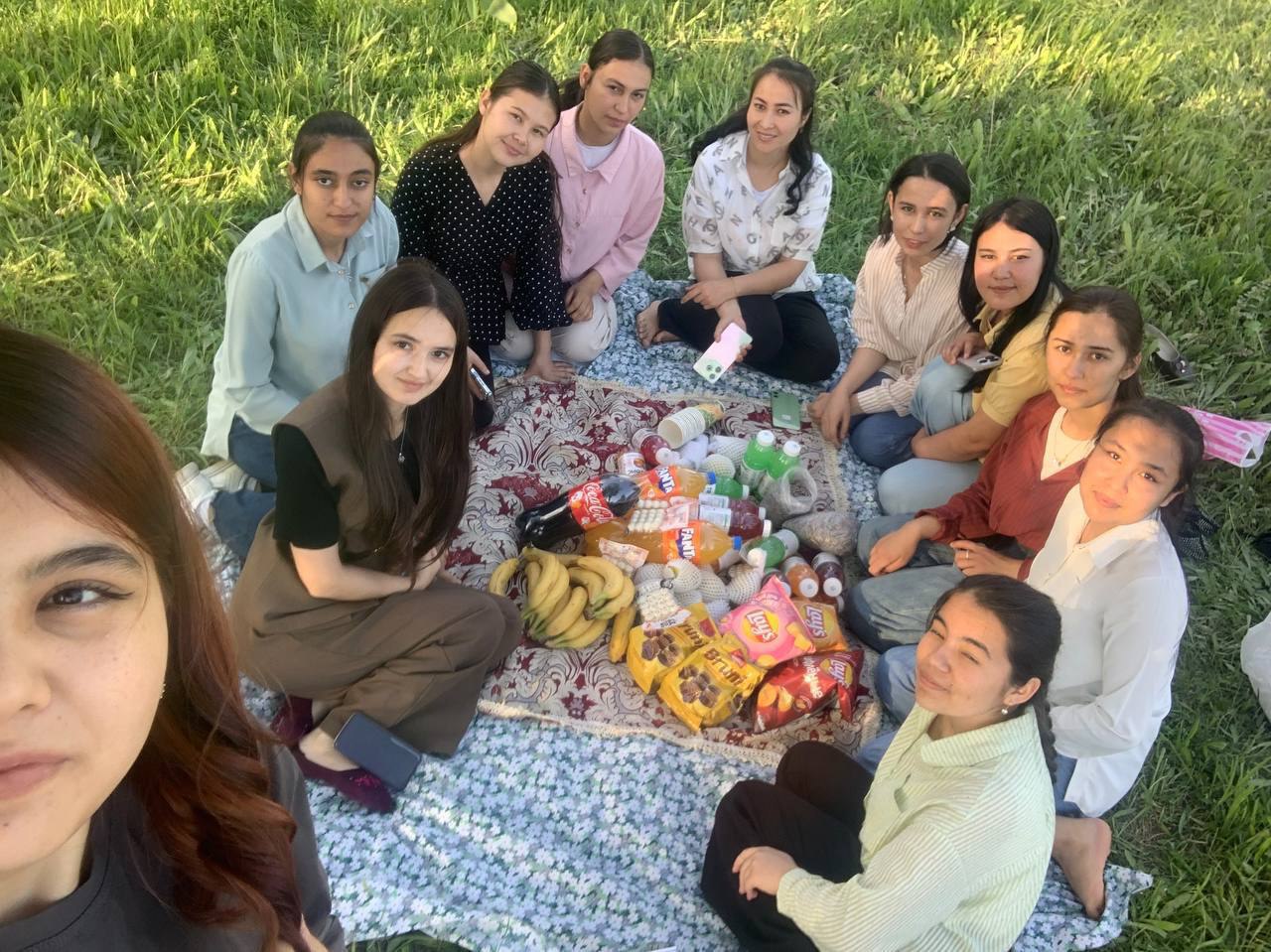
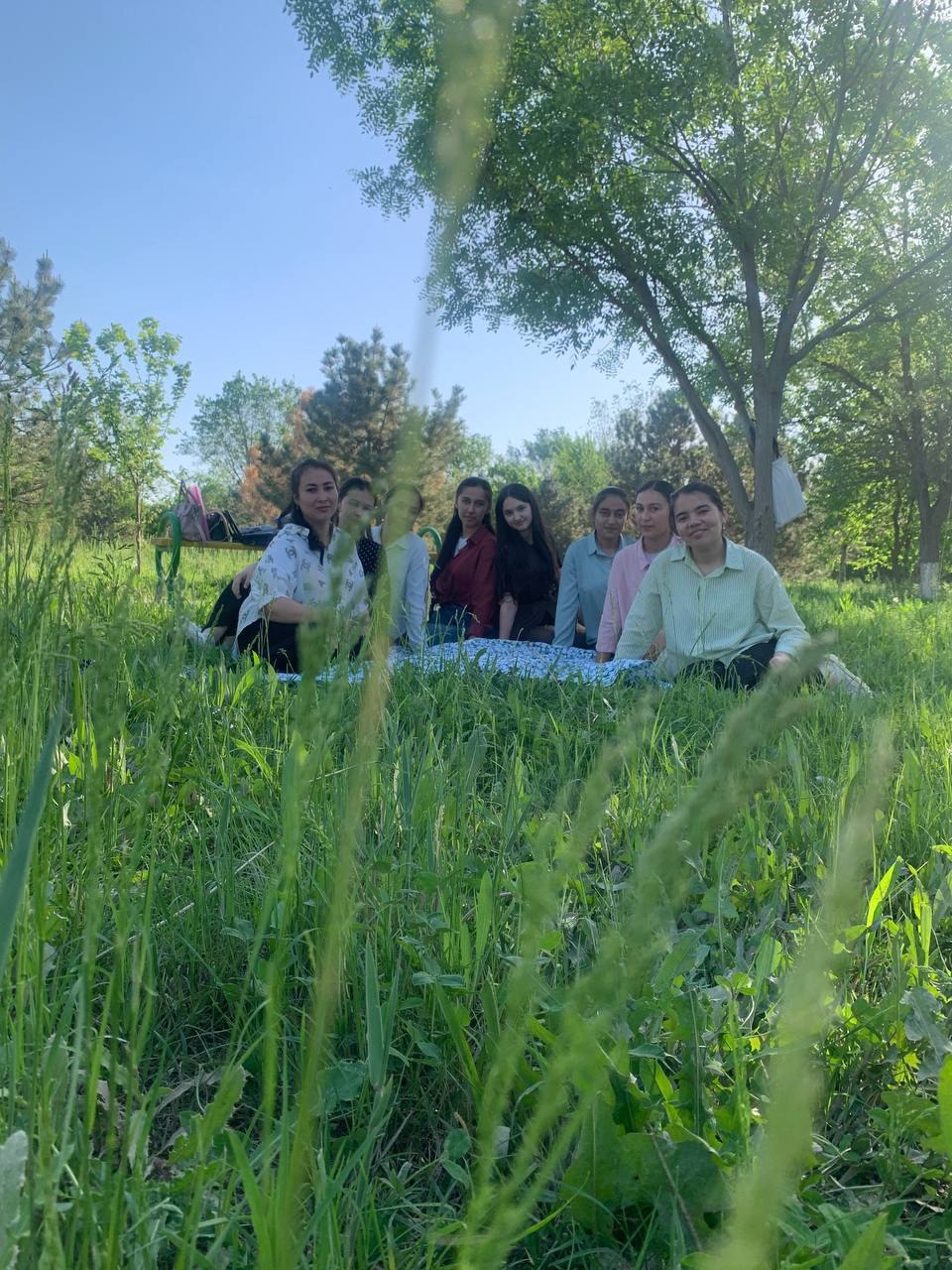
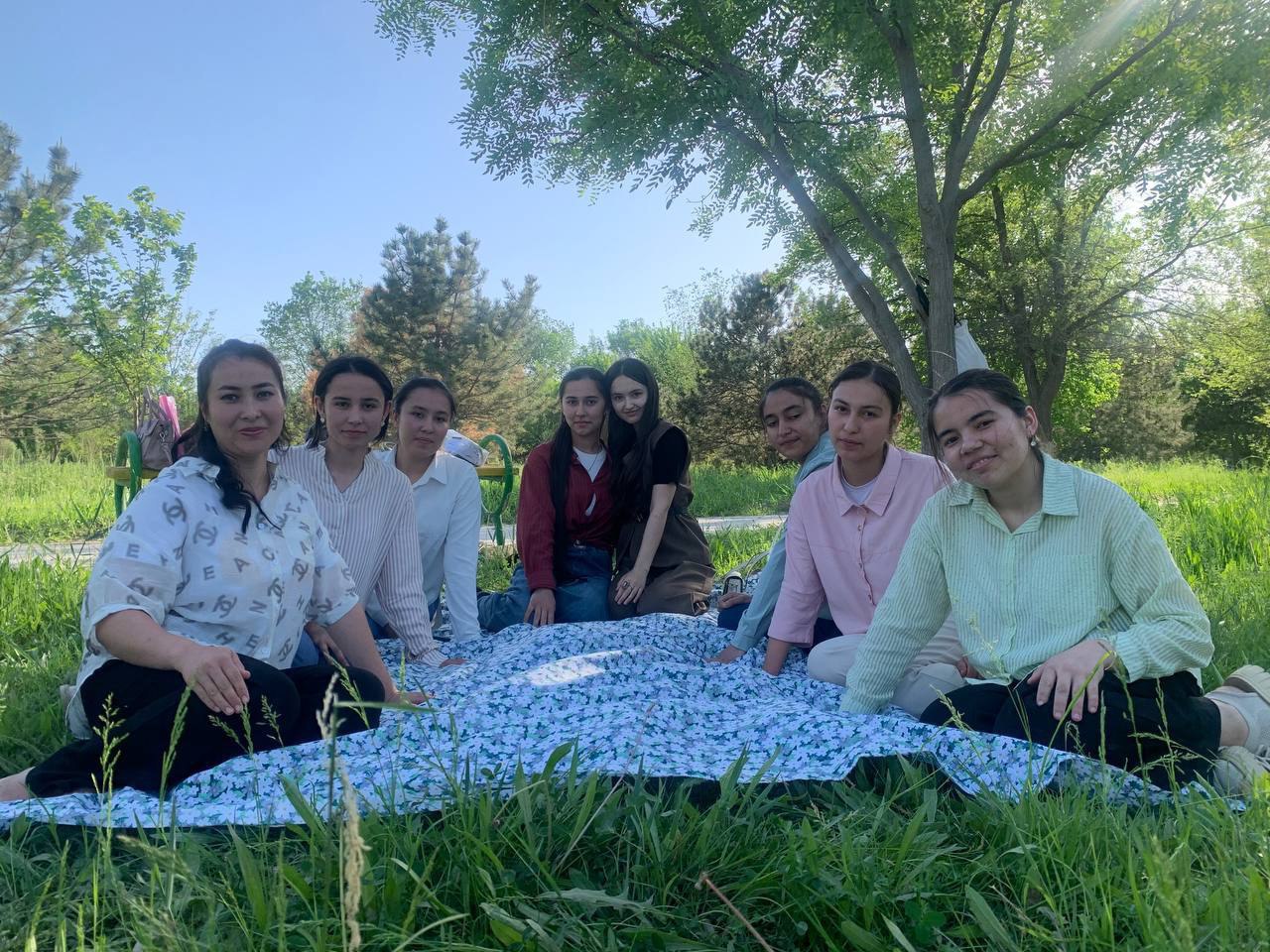
In order to protect the environment, promote public health, and encourage the effective use of green areas, Bukhara State Medical Institute has established several open green spaces on its campus, which are permanently and freely accessible to the public.
The campus includes courtyards with landscape park elements, green tree-lined areas, flowered squares, and recreational zones. In addition, there are open sports grounds, jogging tracks, and seating areas for students and visitors. Although these spaces are owned by the institute, they are organized without barriers and in a way that ensures convenience for the public.
Permanent and Free Accessibility
The green areas are open every day of the week during daytime hours, providing free and unrestricted entry for the community. Local residents, schoolchildren, and visitors regularly come to these spaces. The institute does not impose any entry barriers, payment requirements, or permit conditions.
Authorization and Evidence
This openness is supported by the institute’s internal regulations and official directives. Information on public use of the green spaces is regularly published on the official website and social media platforms of the institute. Ecological events (such as tree-planting campaigns and the “Green Space” initiative) are frequently organized in these areas with the participation of the local community.
By ensuring free public access to its green spaces, Bukhara State Medical Institute contributes not only to the well-being and recreation of its students and staff but also to improving the health, leisure opportunities, and environmental awareness of the wider community.
11.2.5 Arts and heritage contribution
Artistic and Cultural Activities at Bukhara State Medical Institute
In order to enhance students’ spiritual development and actively involve them in art, culture, and creative activities, Bukhara State Medical Institute regularly organizes public performances by theater and other artistic groups.
Theater and Performances
The institute’s “Student Theater Studio” and local young artists stage various theatrical works, including monologues, dramatic scenes, and stage productions.
The performances cover themes of social and spiritual values, educational content, medical awareness, and national traditions.
These productions are held both in the institute’s assembly hall and in city cultural institutions with wide public participation.
Concerts and Cultural Programs
Student performers and the “Creative Youth” groups present concerts enriched with live music and cultural shows.
These programs are organized in celebration of Independence Day, Navruz, Teachers’ Day, Students’ Day, and other significant occasions.
Exhibitions and Artistic Presentations
Art exhibitions showcasing students’ handicrafts, paintings, crafts, photography, and creative works are regularly organized.
Initiatives such as “One Week – One Creator,” “Creative Gallery,” and “Youthful Vision in Art” allow students and local artists to display their works to a wider audience.
All events are conducted in an open and public format, engaging students, faculty members, local communities, and guests.
Announcements are shared through the institute’s official website, social media platforms, posters, and promotional materials.
Through these artistic and creative activities, Bukhara State Medical Institute fosters a healthy spiritual environment, supports student talents, and contributes to the cultural enrichment of the community.
https://bsmi.uz/en/bukhsmi-press-service/the-closing-ceremony-of-the-international-medical-olympiad-was-held-in-the-theater-building-located-within-the-ancient-and-eternal-bukhara-complex/
https://bsmi.uz/en/bukhsmi-press-service/⚡️the-theater-is-a-source-of-spiritual-nourishment/
https://bsmi.uz/en/bukhsmi-press-service/⭐️casting-has-begun/
11.2.6 Record and preserve cultural heritage
Regional Cultural Heritage:
In February 2024, the institute held a spiritual and educational event under the slogan “Days of Karakalpak Culture”. Students got acquainted with the culture and traditions of Karakalpak. This is an initiative aimed at preserving local/ethnic heritage. https://bsmi.uz/en/category/cultural-and-educational-activities/cultural-and-educational-events/ Milliy madaniy meros:
In April 2025, a team of students and professors from the institute organized a trip to Samarkand and got acquainted with the historical and cultural heritage of Uzbekistan – the Poi-Kalyan complex, the Ark, Ulugbek and Abdulazizkhan madrasas, and other monuments were visited. https://bsmi.uz/en/bukhsmi-press-service/bukhara-state-medical-institute-team-travels-across-our-country/?utm_source=chatgpt.com
11.3 Expenditure on arts and heritage
11.3.1 Indicator: Arts and heritage expenditure
Total university expenditure – the total budget in the budget. For example:
“The total expenditure of the Bukhara State Medical Institute in 2025 amounted to 400000000000 sums of financial sums”.
University expenditure on arts and heritage – 1000000000 sums
National holidays (Navruz, Independence Day, Mehrjon, Students’ Day),
Cultural and educational evenings, folklore ensembles,
University museum, library, preservation of historical heritage sites,
Theater, music and art competitions with the participation of students.
11.4 Sustainable practices
11.4.1 Sustainable practices targets
Starting in 2023, Bukhara State Medical Institute has set up measures to encourage the use of sustainable transport within the framework of the “Green Campus” initiative.
3 bicycle parking lots have been established on the territory of the institute and a program has been launched to encourage students and staff to travel on foot and by bicycle.
A special shuttle bus service has been launched between student dormitories and the main academic buildings.
A carpool initiative has been introduced, a system of shared transport for students and staff coming from the same district has been established.
Electric scooter and electric vehicle charging stations have been installed on the territory of the institute.
Target indicators: by 2030, ensure that at least 15% of students and staff coming to the university come on foot or by bicycle, and 10% come by carpool or shuttle bus.
11.4.2 Promote sustainable commuting
In order to reduce the negative impact on the environment, develop a green economy, and create environmental awareness among students and youth, the Bukhara State Medical Institute carried out the following practical work promoting the use of sustainable transport throughout 2024:
Bicycle Week and Walks
Under the slogan “To the Institute by Bicycle”, bicycle walks were organized with the participation of professors, teachers, and students. These trips were carried out along the city’s sidewalks to promote environmental sustainability. Separate parking areas (parking zones) for bicycles were organized on the territory of the institute.
Walking Promotion
As part of the “Walk for a Healthy Life!” initiative, walking days, social challenges, and photo marathons on social networks were organized among students and staff. Motivational trainings were held among staff and students living near the institute on abandoning motor transport and making walking a habit. Encouraging the use of public transport
Information campaigns, advertisements and pictures were distributed to encourage employees and students to use public transport.
The number of users of company cars was reduced for environmental reasons.
Educational events about eco-transport
An educational seminar, roundtable discussions and environmental trainings were organized on the topic “Sustainable transport is clean breath!” Students were provided with practical and theoretical information about the causes of air pollution related to transport and the impact on climate change. Through these practical activities, Bukhara State Medical Institute is not only attracting its employees and students to the use of sustainable transport, but also making a practical contribution to environmental protection.
https://bsmi.uz/en/bukhsmi-press-service/car-free-day/
https://bsmi.uz/en/bukhsmi-press-service/today-on-march-29-the-car-free-day-campaign-was-held-in-bukhara-as-in-the-whole-country/
https://bsmi.uz/en/bukhsmi-press-service/🛑-🚲-tomorrow-car-free-day-will-be-held-across-our-country/
https://bsmi.uz/en/bukhsmi-press-service/bukhara-state-medical-institute-team-at-health-events-2/
11.4.3 Allow remote working
Telecommuting is not an official policy for employees at Bukhara State Medical Institute.
All faculty and staff at the institute work in full office mode.
However, online platforms (Zoom, Teams, Moodle) are used for some educational processes and meetings (international conferences, seminars).
11.4.4 Affordable housing for employees
The institute does not provide separate housing for its employees, but employees are given the opportunity to use the hostel on the institute’s balance sheet. This opportunity serves to alleviate the temporary housing problem of employees.
11.4.5 Affordable housing for students
Bukhara State Medical Institute has created affordable and comfortable dormitory conditions for all students.
Dormitory fees are much lower than the average rent in the city. For example, the monthly fee for a dormitory is on average 80,000 – 100,000 soums, and the rent for an apartment in the city is around 600,000 – 1,000,000 soums.
The institute provides dormitories directly on its balance sheet.
There are discounts and a social protection system for students, students from low-income families can be partially or completely exempted from dormitory fees. In 2025, 4 dormitories operated on the balance sheet of the institute, with a total capacity of 2,000 students.
According to statistics, 25% of the student contingent is provided with dormitories.
Dormitory prices and the distribution procedure are established in the internal orders and agreements of the institute. https://bsmi.uz/en/student-residence/
11.4.6 Pedestrian priority on campus
There are separate pedestrian walkways on the institute’s premises.
Access for cars is strictly limited, only service vehicles or vehicles with special permits are allowed.
Green areas and pedestrian walkways for students, teachers and staff are separated from the main traffic routes.
Parking lots are located outside the institute’s premises, and priority is given to walking within the campus.
11.4.7 Local authority collaboration regarding planning and development
The Institute cooperates with the Bukhara regional administration, the city administration and other state organizations.
Cooperation is mainly carried out in the following areas:
Solution of dormitory and housing issues for students and employees.
Development of infrastructure on and around the Institute campus (roads, pedestrian walkways, green areas).
Expansion of the activities of medical clinics and centers serving the population.
11.4.8 Planning development - new build standards
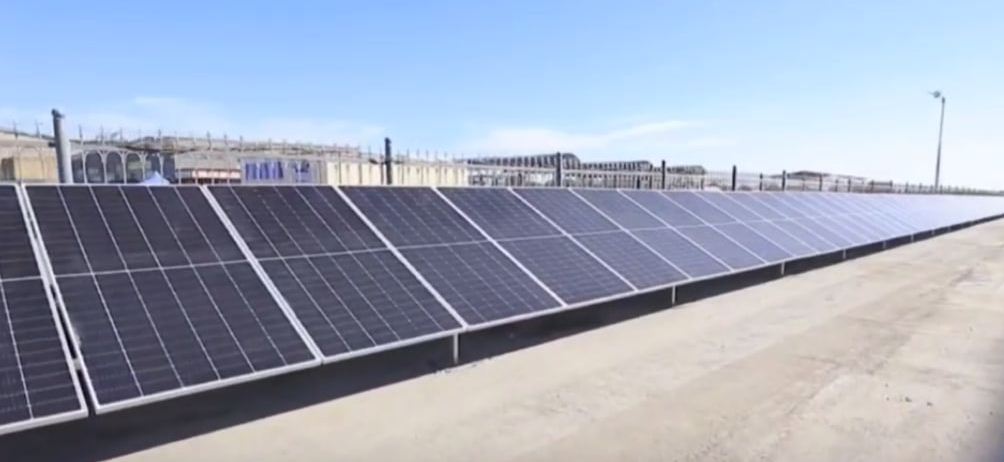
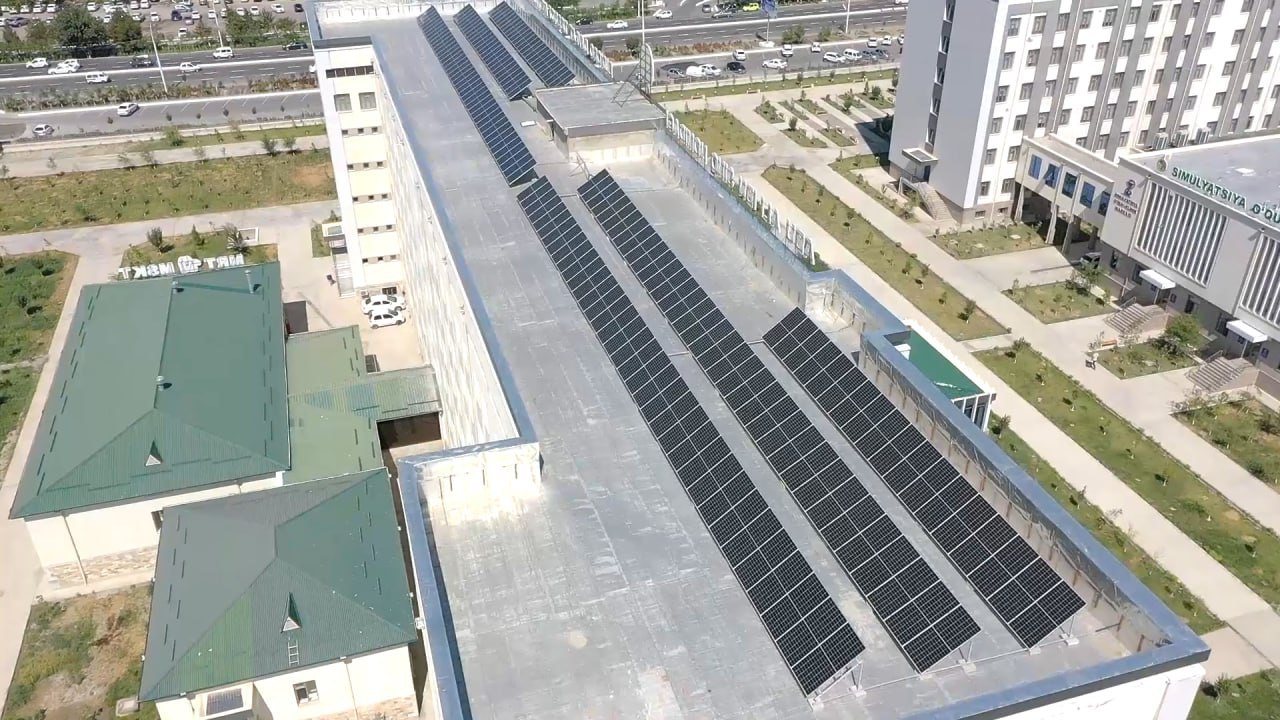
New buildings to be built at the institute starting in 2025 will be designed based on sustainable development and energy efficiency standards. Energy-saving materials (thermal insulation, LED lighting, energy-efficient windows) will be used in the construction. Local environmental standards and sanitary regulations will be followed during the construction process. Photographic evidence of solar panels, energy-efficient lighting systems, and water-saving devices installed in new buildings constructed and commissioned in 2023 will be attached.