5.1 Research on gender equality
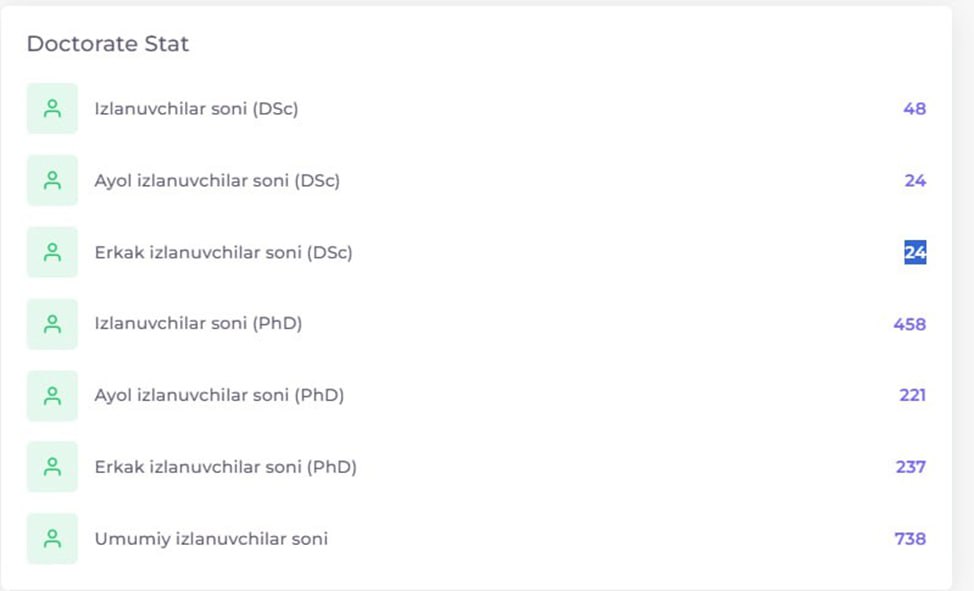
5.1.1 Proportion of female authors
Proportion of female authors – 68.2%
5.1.2 Gender Equality: CiteScore
There are currently no publications in the Top 10% CiteScore journals.
5.1.3 Gender Equality: publications
Number of articles on gender equality – 1
Author: Karimova Lola Muzaffarovna
Title: Ensuring Women’s Social Activity in Uzbekistan
Journal: Tamaddun, 2025, Issue 5 (68), pp. 57–59
5.2 Proportion of first-generation female students
5.2.1 Indicator: Proportion of women first-generation
5.3 Student access measures
5.3.1 Tracking access measures
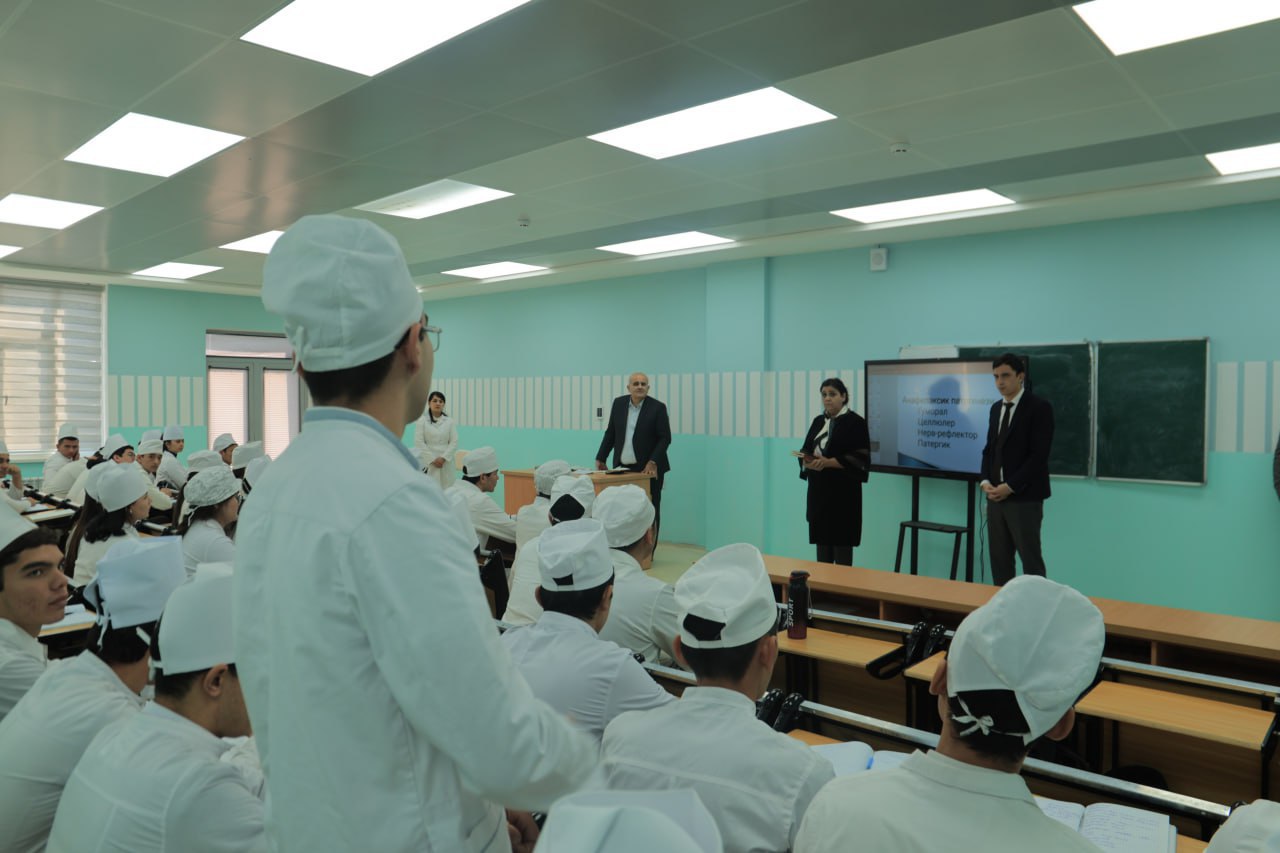
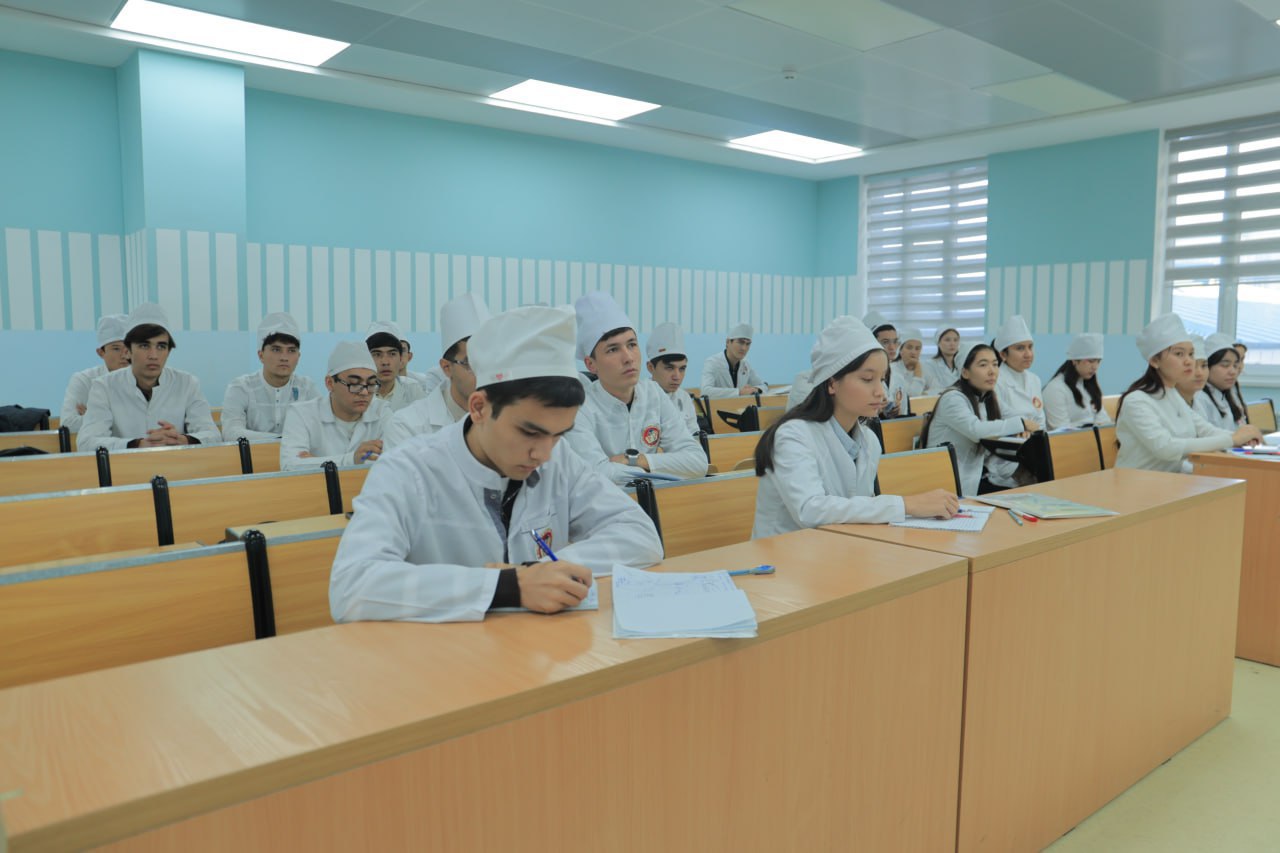
In 2024, Bukhara State Medical Institute implemented a systematic monitoring system to track women’s application, acceptance, and entry rates across all undergraduate and postgraduate programs. The University’s Admissions Department collects and categorizes applicant data by gender during each admission cycle.
Annual reports are prepared based on these statistics, allowing the institute to analyze trends, identify gaps, and ensure equal access for women. Summary data on gender distribution in admissions is made publicly available on the university’s official website, confirming transparency and commitment to gender equality.
This monitoring system supports evidence-based decision-making and strengthens initiatives aimed at increasing women’s participation in medical education.
5.3.2 Policy for women applications and entry
5.3.3 Women’s access schemes
Women’s Access Schemes — Bukhara State Medical Institute (2024)
Bukhara State Medical Institute provides targeted initiatives to support women’s access to higher education, ensuring equality and inclusion.
Free Medical Screening:
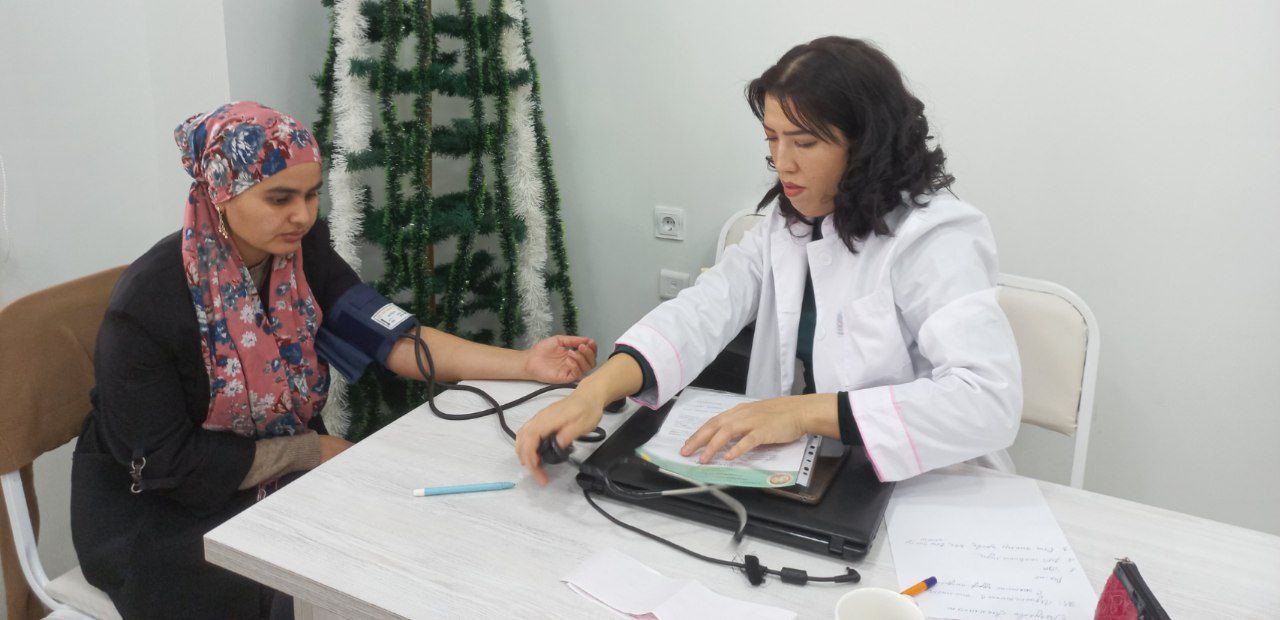
All female applicants have access to free medical examinations before enrollment. This ensures that students meet health requirements and receive guidance on maintaining their well-being during studies.
Financial Support for Underprivileged Women:
The university offers scholarships and financial assistance to women from low-income families or underrepresented backgrounds. These provisions help reduce economic barriers and encourage enrollment and retention in medical programs.
All programs are monitored systematically, and summary data on participation and outcomes are publicly available on the institute’s official website, demonstrating transparency and commitment to women’s empowerment in higher education.
5.3.4 Women’s application in underrepresented subjects
Information on initiatives to encourage applications in fields with low female representation
Bukhara State Medical Institute has been implementing a number of promotional and support activities aimed at ensuring gender equality and encouraging girls to pursue education in fields traditionally dominated by men (IT, engineering, technology, physics, and mathematics).
✅ Organizational and outreach activities
Motivational seminars such as “The Female Face in STEM” and “Girls Interested in Science” were organized in secondary schools of Bukhara region for high school girls.
Within the program, women scientists in higher education and young female researchers shared their experiences, providing real role models to enhance motivation.
✅ Joint campaigns
In cooperation with the Bukhara regional government, the Youth Affairs Agency, and local NGOs, regional information campaigns such as “Girls Can Be Engineers Too” and “Women as Innovators” were carried out.
During the “STEM Youth Week” organized together with the Ministry of Higher and Secondary Specialized Education, special participation modules were introduced for girls.
✅ Forms of encouragement
Proposals were developed to allocate targeted grants for female applicants in IT, bioinformatics, and biomedical engineering programs.
Special master classes, free online courses, and open laboratory days were organized for women.
External image campaigns (booklets, banners, video clips) were prepared and distributed in schools and public places to encourage girls to participate in the selection process.
✅ Media coverage
These initiatives are regularly covered through the institute’s official website, social media pages, and local media outlets.
Special sections such as “Future Female Scientist” and “Women Innovators” have been introduced, featuring information about active girls in scientific and technical fields.